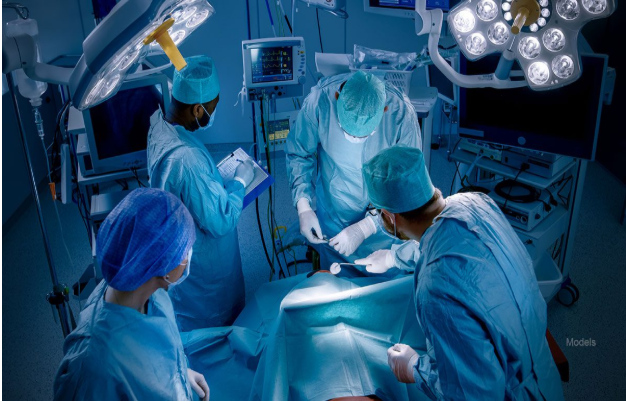

Breast enlargement surgery is a popular cosmetic procedure for people who want to increase breast volume, improve body proportions, or restore fullness after pregnancy, breastfeeding, or weight loss. For patients considering treatment overseas, Poland may offer an alternative to private cosmetic surgery in the United Kingdom.
However, choosing cosmetic surgery abroad requires careful research into the potential benefits, surgical risks, costs, and long-term responsibilities associated with treatment. Although breast enlargement can help some patients feel more comfortable with their appearance, it is still a major medical decision that deserves thorough consideration.
Understanding what the procedure involves, how implants may affect future health, and what aftercare is available can help patients make informed choices. This guide explores the benefits and risks of breast enlargement surgery in Poland and explains what to consider before booking a procedure.
What Is Breast Enlargement Surgery?
Breast enlargement, also known as breast augmentation, is a surgical procedure designed to increase breast size or change breast shape. It commonly involves placing implants beneath the breast tissue or chest muscle, depending on the patient’s anatomy and the surgeon’s recommendations.
Breast implants generally contain either silicone gel or saline. The most suitable option depends on individual preferences, clinical factors, and the surgeon’s assessment.
During the consultation, the surgeon will discuss implant size, shape, placement, incision location, and the results that may realistically be achieved.
Breast enlargement may be considered for several reasons, including:
- Increasing naturally small breasts.
- Restoring breast volume lost after pregnancy or weight changes.
- Improving breast symmetry.
- Changing breast proportions.
- Reconstructing breast shape following certain medical treatments.
Not everyone is an appropriate candidate for Cosmetic surgery abroad. A qualified surgeon should assess the patient’s health, expectations, and individual circumstances before recommending treatment.
2. The Main Benefits of Breast Enlargement Surgery
Breast enlargement may offer several physical and personal benefits, depending on the patient’s goals and expectations. However, results vary, and no surgeon can guarantee a particular appearance or level of satisfaction.
Improved Breast Volume and Shape
One of the main reasons people choose breast augmentation is to increase breast volume. Implants can help create fuller breasts and change their overall shape.
Patients who have experienced a loss of breast volume after pregnancy, breastfeeding, or significant weight changes may also consider this procedure.
The final appearance depends on factors such as existing breast tissue, skin elasticity, implant size, and surgical technique.
Better Body Proportions
Some patients feel that their natural breast size does not match their preferred body proportions. Breast enlargement can increase breast volume and create a different overall silhouette.
A qualified surgeon can help patients understand which implant sizes may suit their anatomy. Choosing an appropriate size is important because excessively large implants can create additional discomfort and may affect long-term results.
Improved Breast Symmetry
Natural breasts are rarely perfectly identical. Differences in size, shape, or position can sometimes be noticeable enough for a person to consider surgery.
Breast augmentation may help improve certain forms of asymmetry. However, achieving complete symmetry is not always possible, and additional procedures may be needed in some cases.
Potential Improvement in Confidence
Some patients report feeling more comfortable with their appearance after breast enlargement surgery. They may find that their clothes fit differently or that their body proportions better reflect their personal preferences.
Nevertheless, cosmetic surgery does not guarantee improved self-esteem or emotional well-being. Patients should have realistic expectations and make the decision for themselves rather than feeling pressured by other people’s opinions or beauty standards.
3. Why Consider Breast Enlargement Surgery in Poland?
For patients comparing treatment options, Poland may be worth considering because it offers private healthcare services and cosmetic surgery facilities that treat international patients.
However, the quality of care, surgeon experience, and available services vary between providers. It is important to assess each clinic individually rather than assuming that every provider offers the same standard of treatment.
Potentially Different Treatment Costs
Some patients explore breast enlargement in Poland because private surgery may cost less than comparable treatment in the UK.
However, the advertised procedure price does not necessarily represent the complete cost. Flights, accommodation, medical tests, follow-up appointments, and possible additional treatment should also be included in the budget.
The cheapest option is not automatically the best value. A more expensive clinic may provide services or aftercare that are particularly important for an international patient.
Access to Different Implant Options
Clinics may offer different implant manufacturers, sizes, shapes, and placement techniques.
Patients should ask the surgeon to explain the available options and why a particular implant is suitable for their anatomy and preferences.
Do not choose an implant based solely on its brand name, price, or popularity. The surgeon should explain the potential benefits and limitations of each appropriate option.
An Opportunity to Compare Providers
Researching clinics in Poland allows patients to compare surgeons, treatment plans, facilities, and aftercare arrangements.
Before making a decision, verify the surgeon’s specialist qualifications and experience with breast augmentation. Ask where the procedure will take place and how complications will be managed.
The quality of the medical team and the arrangements for ongoing care should be more important than promotional offers.
4. Understanding the Risks of Breast Enlargement Surgery
Although breast enlargement is a commonly performed operation, it is not risk-free. Patients should understand the possible complications before consenting to surgery.
Risks can arise from the operation itself, the use of anaesthesia, the healing process, or the implants over time.
Infection and Bleeding
As with other surgical procedures, breast augmentation can cause bleeding, infection, and problems with wound healing.
In some cases, an infection may require antibiotics or additional surgery. Severe complications can require hospital treatment.
Patients should receive clear instructions about wound care and know whom to contact if they develop symptoms such as fever, worsening pain, spreading redness, or unusual discharge.
Capsular Contracture
After an implant is inserted, the body naturally forms a layer of scar tissue around it. This is called a capsule.
Sometimes, the capsule becomes unusually tight, making the breast feel hard or uncomfortable. This condition is known as capsular contracture.
Depending on its severity, treatment may involve further surgery.
Implant Rupture or Leakage
Breast implants can rupture or develop leaks. The effects depend on the type of implant and the nature of the damage.
A silicone implant may rupture without causing obvious symptoms, while some ruptures or changes in breast shape may be more noticeable.
Patients should ask how implant integrity will be monitored and whether ultrasound or MRI examinations may be recommended in the future.
Changes in Sensation
Some patients experience changes in nipple or breast sensation following surgery.
The affected area may become more sensitive, less sensitive, or numb. These changes can be temporary, but in some cases they may persist.
Discuss this risk with the surgeon before deciding whether breast augmentation is appropriate.
Scarring and Changes in Breast Appearance
Breast enlargement requires incisions, which leave scars. These usually become less noticeable over time, but their appearance varies between individuals.
Other possible complications include implant movement, visible rippling, uneven positioning, and changes in breast shape.
Pregnancy, ageing, and weight fluctuations can also affect the appearance of augmented breasts over time.
Anaesthesia and Blood Clots
General anaesthesia carries its own risks, and surgery can increase the risk of developing blood clots.
A clot that travels to the lungs can become life-threatening. Your surgical team should assess your individual risk factors and explain the measures used to reduce these risks.
5. Long-Term Considerations of Breast Implants
One of the most important things to understand before breast enlargement is that implants are not lifetime devices.
Some patients may need additional Plastic surgery abroad because of complications, changes in their preferences, or changes in their breasts over time.
Before proceeding, consider the long-term financial and practical responsibilities associated with implants.
Future Replacement or Removal
Breast implants may eventually need to be replaced or removed. However, there is no single replacement date that applies to every patient.
Your surgeon should explain the circumstances that might require further surgery and how the costs would be managed.
It is important to budget for possible future medical appointments, scans, and surgical procedures.
Ongoing Breast Health Monitoring
Patients with breast implants should continue routine breast health checks and attend recommended breast cancer screening appointments.
Always inform the healthcare professional performing a mammogram that you have implants, as additional imaging techniques may be required to obtain suitable views of breast tissue.
You should also seek medical advice if you notice a new lump, persistent swelling, a change in breast shape, or other unusual symptoms.
Rare Implant-Associated Conditions
A rare type of immune system cancer called breast implant-associated anaplastic large cell lymphoma, or BIA-ALCL, has been associated with certain breast implants, particularly some textured implants.
Other rare implant-associated cancers have also been reported. Patients should discuss the risks associated with the specific implant being considered and ask what symptoms require medical assessment.
Some people also report systemic symptoms, such as fatigue or joint pain, which they associate with their implants. These symptoms have various possible causes, and the relationship between implants and particular systemic complaints is not fully understood.
The aim is not to create unnecessary concern but to ensure that patients understand both the potential benefits and the long-term responsibilities of breast implants.
6. How to Choose the Right Breast Enlargement Clinic in Poland
Selecting a suitable clinic is especially important when travelling abroad for treatment. Patients may have limited opportunities for in-person appointments and could face additional challenges if complications occur after returning home.
Take time to research the clinic and the surgeon before making a financial commitment.
Verify the Surgeon’s Qualifications
Ask about the surgeon’s medical qualifications, specialist training, professional registration, and experience with breast augmentation.
Find out how frequently the surgeon performs the procedure and how complications are managed.
You should also confirm who will carry out the operation. Do not assume that the surgeon conducting the initial consultation will necessarily be the person performing your surgery.
Review the Surgical Facility
Ask where the operation will take place and whether the facility has appropriate equipment, trained staff, and arrangements for emergency treatment.
The clinic should clearly explain the procedure, expected recovery, and any potential limitations.
Be cautious if you feel pressured to book immediately or are discouraged from asking questions.
Understand the Aftercare Policy
Aftercare is particularly important for patients choosing plastic surgery abroad.
Ask whether postoperative appointments are included, how long the clinic will provide follow-up care, and what happens if you experience complications after returning to the UK.
Confirm whether further treatment would require travelling back to Poland and who would be responsible for the associated costs.
A clear aftercare plan should be part of your decision before surgery, not an arrangement made at the last minute.
7. Breast Enlargement in Poland: What Does the Cost Include?
Cost is an important consideration for many people exploring cosmetic surgery abroad. However, comparing clinics solely by their advertised prices can lead to an incomplete understanding of the financial commitment.
Request a detailed quotation that identifies exactly what is included.
| Expense | What to Check |
| Surgeon and hospital fees | Whether the full operation and facility charges are included |
| Implants | Which manufacturer and implant type will be used |
| Anaesthesia | Whether the anaesthetist’s fees are included |
| Medical tests | Whether consultations and preoperative assessments cost extra |
| Accommodation | How many nights are included, if any |
| Aftercare | Whether postoperative consultations and dressings are covered |
| Complications | What treatment is covered and what additional costs may arise |
| Future surgery | Whether replacement or removal costs are excluded |
You should also budget for travel, meals, local transport, and additional accommodation if your recovery takes longer than expected.
Remember that travel insurance does not usually cover complications resulting from planned cosmetic surgery. Confirm your insurance arrangements carefully before booking.
8. Preparing for Surgery and Recovery
Good preparation can help patients understand the process and organise the practical arrangements needed for recovery.
Before travelling to Poland, attend consultations with the surgeon who will perform the operation. Discuss your medical history, medication, allergies, and expectations.
Follow all instructions about preparing for anaesthesia and do not stop prescribed medication without medical advice.
Plan for the First Few Weeks
After breast augmentation, patients commonly experience swelling, bruising, tightness, and discomfort. These symptoms usually improve gradually, but recovery differs between individuals.
You may need to take time away from work and temporarily avoid strenuous exercise, heavy lifting, and activities that place pressure on the chest.
Arrange help with everyday tasks if necessary, especially during the early stages of recovery.
Your surgeon should explain when you can drive, return to work, exercise, and resume normal activities.
Do Not Rush Your Return Flight
Patients travelling to Poland for breast enlargement must plan their return journey carefully.
Air travel combined with recent surgery can increase the risk of blood clots. The appropriate waiting period depends on your operation, recovery, and individual medical circumstances.
The NHS provides general guidance to avoid flying for at least five to seven days after breast surgery, but this should not be treated as automatic medical clearance. Your surgeon must assess whether you are fit to travel.
Allow flexibility in your travel plans in case your recovery takes longer than expected.
Arrange Follow-Up Care
Before leaving Poland, make sure you know how to contact your surgeon and where to seek medical attention if a problem develops.
Request copies of your medical records, implant details, and postoperative instructions.
Discuss with your UK GP, where appropriate, how you can access medical care after returning home.
Having a clear follow-up plan is an essential part of choosing cosmetic surgery abroad.
9. Questions to Ask Before Booking Breast Enlargement Surgery
Before making your final decision, prepare a list of questions for your surgeon and clinic.
Consider asking:
- Am I a suitable candidate for breast enlargement?
- What implant type, size, and placement do you recommend for me?
- Why is this option appropriate for my anatomy?
- What are the most important risks in my case?
- What results can I realistically expect?
- How long is the expected recovery period?
- How will my implants be monitored over time?
- What happens if an implant ruptures or another complication develops?
- Who will provide aftercare after I return to the UK?
- What expenses are not included in the quotation?
- What are the arrangements for revision surgery or implant removal?
- Can I take additional time to consider the procedure before committing?
A responsible provider should answer these questions clearly and allow you enough time to make an informed decision.
Conclusion
Breast enlargement surgery in Poland may appeal to patients seeking to increase breast volume, change breast shape, or explore alternatives to private treatment in the UK. Potential benefits include improved breast proportions and greater satisfaction with appearance, although individual results and experiences vary.
At the same time, patients must understand the risks of infection, bleeding, capsular contracture, implant rupture, changes in sensation, and the possible need for additional surgery. Breast implants also require long-term consideration and ongoing attention to breast health.
For anyone considering cosmetic surgery abroad, the most important factors are the surgeon’s qualifications, the suitability of the clinic, realistic expectations, and a reliable aftercare plan. The total cost should include travel, recovery, follow-up appointments, and the possibility of future treatment.
Choosing plastic surgery abroad should never be based on price alone. By researching providers carefully, asking detailed questions, and understanding the long-term responsibilities of breast implants, patients can make a more informed decision about whether breast enlargement surgery in Poland is the right option for them.
Read More From Magazinepanda