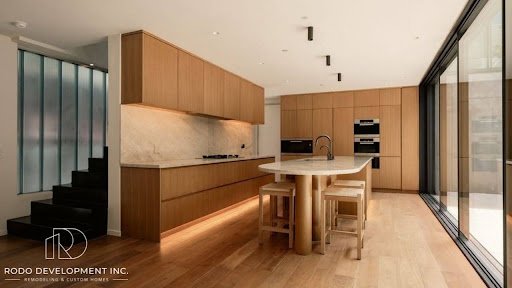

Renovating your home can improve comfort, functionality, and everyday living. However, deciding between remodeling individual rooms and renovating the entire house requires careful planning. Both approaches offer advantages, but the right choice depends on your property’s condition, budget, and long term goals.
A full home renovation often makes more sense when several rooms need updates, the existing layout no longer works, or major systems require attention. Understanding when to choose a comprehensive renovation can help you avoid repeated construction work and make better decisions about your investment.
What Is a Full Home Renovation?
A full home renovation involves updating several areas of your property as part of one coordinated construction project. The work may include kitchen and bathroom remodeling, new flooring, lighting improvements, structural changes, and upgrades to essential building systems.
Unlike individual room renovations, this approach considers how different areas of the house connect and function together. It allows homeowners to plan layouts, select materials, and coordinate construction activities before work begins.
However, the project scope depends on the home’s condition and the improvements needed. A full renovation does not always require replacing every feature or rebuilding the entire interior.
When Multiple Rooms Need Major Improvements
Updating one room at a time works well when the rest of your home remains functional and in good condition. For example, replacing outdated kitchen cabinets or renovating a single bathroom may solve an immediate problem without affecting other living areas.
However, the situation changes when your kitchen, bathrooms, bedrooms, and common areas all need significant improvements.
Consider an older property with worn flooring, outdated fixtures, insufficient storage, and an inefficient layout. Remodeling each space separately could mean arranging multiple construction projects over several years.
A whole-house approach allows you to evaluate these problems together and develop a coordinated improvement plan.
It also helps establish consistent materials, finishes, and design choices throughout your home.
How a Full Renovation Can Improve Your Layout
Sometimes, the biggest problem with a house is how its rooms connect rather than how they look.
Older homes frequently feature closed-off kitchens, narrow hallways, limited storage, and separate living spaces. These arrangements may no longer accommodate modern family routines or changing household needs.
For example, renovating your kitchen independently may improve its appearance without addressing its poor connection to the dining room.
A larger renovation provides an opportunity to reconsider how people move between rooms, where natural light enters, and how different spaces serve your family.
Depending on the property’s structure, improvements might involve widening openings, relocating partitions, or redesigning the kitchen and living areas.
Before removing walls or changing room configurations, qualified professionals should evaluate structural conditions and determine which modifications are feasible.
Planning these changes together can prevent newly finished rooms from requiring additional construction later.
When Electrical, Plumbing, and HVAC Systems Need Updates
Behind your home’s walls are essential systems that influence safety, comfort, and daily performance.
Aging electrical wiring, deteriorating plumbing, and inefficient heating or cooling equipment may require attention during major remodeling work.
Updating these systems separately can involve opening finished walls, removing flooring, or accessing ceilings more than once.
For example, replacing bathroom finishes before evaluating old plumbing could create unnecessary expenses if pipes need replacement afterward.
A coordinated renovation allows contractors to review electrical, plumbing, and HVAC requirements before completing interior finishes.
This approach can improve construction sequencing and reduce the likelihood of disturbing newly renovated areas.
However, replacing every system is not automatically necessary. The appropriate scope depends on existing conditions, inspection findings, and the changes planned for your property.
Full Home Renovation vs Room by Room Remodeling Costs
A full home renovation generally requires a larger upfront financial commitment than remodeling one room. However, completing several related improvements under one construction plan may reduce certain repeated expenses.
Individual projects can involve separate contractor mobilization, demolition, temporary protection, material deliveries, and cleanup. Coordinating work across several rooms may allow some activities to happen together.
For example, installing consistent flooring throughout connected living areas can be more practical than replacing floors independently and later correcting uneven transitions. Still, renovating everything simultaneously does not guarantee lower overall costs.
Structural modifications, premium finishes, concealed damage, and extensive building-system upgrades can increase the budget considerably.
Request detailed estimates that separate construction costs, material allowances, design expenses, and appropriate contingency funds.
Compare the total scope of both approaches before choosing the option that makes the most financial sense.
When You Want a Consistent Design Throughout Your Home
Remodeling individual rooms over several years can produce noticeable differences in appearance.
Cabinet styles, flooring materials, lighting, wall colors, and interior finishes may change as products become unavailable or personal preferences evolve.
A comprehensive renovation allows you to establish a unified design direction before construction begins.
You can coordinate flooring transitions, interior doors, lighting temperatures, cabinetry, and architectural details across connected spaces.
This does not mean every room must look identical. Different rooms can maintain their own character while sharing materials and design elements.
A complete design plan also helps prevent conflicts between individual remodeling decisions.
Consider Construction Time and Daily Disruption
Renovation work can affect your daily routine, especially when kitchens, bathrooms, or essential utilities are temporarily unavailable. The level of disruption depends on the project scope and construction schedule.
Room by room remodeling may allow homeowners to continue using most of the house during construction. However, completing several projects separately can create repeated interruptions over an extended period.
A full home renovation brings related construction activities into one coordinated schedule. Depending on the extent of the work, temporary accommodation may be necessary. Discuss construction stages, access to essential rooms, and living arrangements with your contractor before starting.
Benefits of Remodeling One Room at a Time
A full renovation is not always the most practical choice.
If your home is structurally sound, its systems are functioning properly, and only one area needs improvement, a targeted remodel may be sufficient.
Smaller projects can also make sense when your budget cannot comfortably support extensive construction or when you need to remain in your home during the work.
However, consider how your immediate improvements might affect future projects.
For instance, if you eventually plan to expand the kitchen, avoid investing heavily in cabinets that would need removal during that expansion.
A phased renovation strategy should account for future layout changes, shared building systems, and material compatibility.
Why Hiring the Right Contractor Matters
Choosing the right contractor can help you understand the benefits and limitations of a complete renovation compared with individual room improvements. An experienced professional can evaluate your property’s condition, discuss construction requirements, and help develop a practical project scope.
RODO Development Inc., a licensed general contractor serving Los Angeles and surrounding communities, provides residential remodeling services involving structural changes, interior improvements, kitchens, bathrooms, and coordinated construction planning.
Homeowners considering a complete home renovation can explore the company’s approach to design, construction coordination, and property wide improvements.
RODO Development also coordinates project planning, permit-related activities, construction work, and final finishing. This allows homeowners to discuss multiple improvements as part of one residential renovation project.
Renovation Projects and Homeowner Feedback:
Reviewing completed projects and customer experiences can help homeowners evaluate a contractor before starting a major renovation. Previous projects can provide useful examples of design choices, renovation scope, and construction quality.
RODO Development has received positive customer feedback on Google and Houzz. Homeowners can also explore customer experiences on TrustPilot and Facebook.
The company’s portfolio includes the Ceilhunt Avenue complete home renovation and addition project in Los Angeles. Homeowners can find more renovation ideas, project updates, and examples of completed work on Instagram and YouTube.
Making the Right Renovation Decision
Choosing between a full renovation and individual room improvements starts with understanding your home’s current condition and your long term priorities.
Before committing to either option, identify which problems need immediate attention, which improvements can wait, and which projects would benefit from being completed together.
A well defined scope and realistic budget will help you select an approach that improves your home without creating avoidable work in the future.
Contact RODO Development Inc.
Phone: +1 (818) 610-9680
Email: info@rodo-development.com
Website: https://rodo-development.com
Main Office: 19720 Ventura Blvd, Suite E3, Woodland Hills, CA 91364