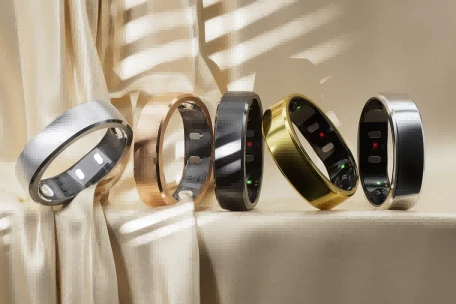

Wearable technology has changed how people monitor their fitness, sleep, and daily activity. From counting steps to tracking heart rate, modern devices make it easier to understand personal wellness habits. Two popular options are smart rings and smartwatches. Both offer useful features, but their designs and everyday experiences are quite different.
Choosing the best smart ring depends on your lifestyle, preferred features, comfort, and budget. Some people want a small accessory that tracks health information quietly in the background. Others prefer a smartwatch with a display, notifications, and workout tools.
Understanding the differences in the smart watch vs smart ring debate can help you choose a device that suits your needs. This guide explores their features, benefits, limitations, and important buying considerations.
What Is a Smart Ring?
A smart ring is a compact electronic wearable designed to fit around your finger. Although it looks like a traditional ring, it contains miniature sensors that collect information about selected health and activity measurements.
Depending on the model, a smart ring may track sleep duration, heart rate, daily movement, and skin temperature trends. Some devices also provide estimated recovery scores and other wellness insights.
Most smart rings connect to a smartphone application. Users can review their information through charts, summaries, and long-term trends without needing a screen on the ring itself.
One major advantage is its discreet appearance. A smart ring can complement everyday clothing while offering access to useful wellness information. However, available features, subscription requirements, and measurement accuracy vary between brands.
What Is a Smartwatch?
A smartwatch is a wearable electronic device designed to provide information and interactive features directly from the wrist. It usually includes a digital screen, sensors, and software that connects with a smartphone.
Many smartwatches monitor steps, heart rate, workouts, sleep, and other activity measurements. Depending on the model, they may also offer GPS, music controls, notifications, calls, and access to applications.
The screen makes it easy to view exercise statistics during a workout. Users can often check their pace, distance, heart rate, and other measurements without opening a phone.
Smartwatches are available in different sizes, designs, and price ranges. Some focus on everyday convenience, while others offer specialized tools for running, hiking, swimming, and other activities.
Their larger size provides more functionality, but it may feel less comfortable for people who prefer lightweight accessories or dislike wearing a device while sleeping.
Smart Watch vs Smart Ring: Key Differences
The main difference between these devices is how they deliver information and fit into daily life.
A smartwatch provides a visible screen and interactive controls. A smart ring usually collects information in the background and displays detailed results through a connected application.
Smartwatches are often more suitable for people who want workout guidance, notifications, and multiple digital tools. Smart rings may appeal to people who prioritize compact design, discreet tracking, and everyday comfort.
Neither device is automatically better for everyone. The best choice depends on which features matter most to you.
Health Tracking Features Compared
Health tracking is one of the main reasons people purchase wearable technology. Both devices can monitor selected wellness indicators, although their capabilities differ by model.
Heart Rate Monitoring
Smart rings and smartwatches may use optical sensors to estimate heart rate. These measurements can help users observe general patterns during rest and everyday activities.
Smartwatches often provide more convenient access to live heart rate readings during exercise. Some smart rings focus more on resting measurements and longer-term trends.
Accuracy varies with sensor quality, fit, and movement. Neither device should be treated as a replacement for medical equipment.
Sleep Tracking
Sleep monitoring is an important feature of many smart rings. Their compact design may make them comfortable for overnight wear, although comfort depends on the individual and the ring’s fit.
Smartwatches can also track sleep duration and estimate sleep stages. However, some users may find a watch bulky while sleeping.
Both devices provide estimates rather than clinical sleep assessments. Their reports are most useful for understanding general patterns across multiple nights.
Daily Activity Tracking
Smartwatches commonly display steps, workout duration, and activity goals directly on the screen. This makes it easy to check progress throughout the day.
Smart rings can track activity too, depending on their available features. Users typically review the results through an application.
If you enjoy checking your progress frequently, a smartwatch may be more convenient. If you prefer collecting information without constant screen interaction, a smart ring could be a better fit.
Best Smart Ring Features to Look For
Finding the best smart ring requires careful consideration of your personal priorities.
First, look at the health measurements offered by each model. Confirm whether it supports sleep tracking, heart rate monitoring, activity summaries, or recovery estimates.
Next, consider battery life. A device that lasts several days between charges may fit more easily into a busy routine. Check how long charging takes and whether the manufacturer includes a charging case.
Comfort is equally important. Since smart rings are worn on a finger, selecting the correct size matters. Many manufacturers offer sizing kits to help customers choose a suitable fit.
You should also review smartphone compatibility, water resistance, warranty coverage, and application quality. Some products require subscriptions for detailed insights, so calculate the long-term cost before purchasing.
Finally, consider data privacy. Review the manufacturer’s policy to understand how personal information is collected, stored, and shared.
Advantages of Choosing a Smart Ring
A smart ring offers several benefits for people who prefer simple, discreet technology.
Its small size makes it easy to wear with everyday clothing. Without a large screen, it can also reduce the temptation to check notifications constantly.
Many models are designed to collect information throughout the day and night. This can be useful for people interested in observing sleep patterns and general wellness trends.
Smart rings may also suit users who already own a smartphone and want a wearable that focuses on health tracking rather than communication.
However, rings have limitations. They generally lack the interactive displays and extensive application features available on many smartwatches. Certain activities, including weightlifting and contact sports, may also make ring wear uncomfortable or unsafe.
Advantages of Choosing a Smartwatch
A smartwatch provides more than health tracking. Its display allows users to interact with information directly from their wrist.
Many models support workout modes, GPS navigation, music controls, reminders, and smartphone notifications. Some also offer emergency features or specialized sports measurements.
For runners and cyclists, viewing workout statistics in real time can be particularly helpful. People who want quick access to messages and calls may also appreciate a smartwatch.
Another advantage is variety. Buyers can choose from simple fitness-focused models to advanced devices with extensive connectivity.
The main disadvantages include a larger design, more screen interaction, and potentially more frequent charging, depending on the model and how it is used.
Which Device Is Better for Fitness?
It all comes down to what kind of exercise you enjoy doing.
For running, cycling, hiking, and structured workouts, a smartwatch may offer practical advantages. GPS, live workout information, and activity controls can help users monitor exercise more directly.
A smart ring may be suitable for people who want to observe daily activity, resting heart rate, sleep, and general recovery trends. It can complement an exercise routine without requiring a screen on the wrist.
Some people may choose to use both devices if their features work well together. However, wearing multiple trackers is not necessary for everyone and may create duplicate measurements or additional expenses.
Choose the device that supports your actual habits instead of paying for features you are unlikely to use.
Smart Ring vs Smartwatch: Price and Long-Term Value
Price is another important consideration when comparing a smart ring with a smartwatch.
The cost of either device depends on its brand, design, materials, sensors, and software features. Some smart rings also require recurring subscriptions, while other products include core features in the purchase price.
Smartwatches have a wide range of options, from budget-friendly fitness models to premium devices with advanced functions.
To compare value fairly, calculate the total cost over several years. Include subscriptions, replacement accessories, charging equipment, and potential repair costs.
A more expensive device may provide better value if you use its features regularly. However, a simpler and more affordable option can be the smarter purchase when it meets your needs.
How to Choose the Right Wearable
Before making your decision, ask yourself a few practical questions.
- Do you want live workout statistics or mainly background health tracking?
- Would you prefer a screen or a discreet accessory?
- Is overnight comfort a major priority?
- Do you need GPS, calls, or smartphone notifications?
- Are you comfortable paying a subscription for additional features?
- Does the device work with your existing smartphone?
Your answers can help narrow the options. Reading recent reviews and checking the manufacturer’s specifications can also prevent disappointment.
Remember that wearable measurements have limitations. Use them to understand general patterns rather than relying on a single score to make important health decisions.
Frequently Asked Questions
1. Is a smart ring better than a smartwatch?
Neither is universally better. A smart ring emphasizes compact design and background tracking, while a smartwatch generally provides more interactive features.
2. Can a smart ring replace a fitness watch?
It may replace some basic tracking functions, but it usually cannot match every workout display, GPS feature, or application available on a smartwatch.
3. Which device is better for sleep tracking?
Either may be useful. A ring’s comfort may appeal to some sleepers, but fit, software, and measurement quality also matter.
4. Does the best smart ring require a subscription?
Not always. Subscription policies vary by brand and model. Check which features remain available without recurring payments.
5. Can I wear a smart ring and smartwatch together?
Some users can, but consider comfort, device compatibility, duplicate tracking, and activity-related safety before wearing both.
6. What should I check before buying a smart ring?
Review sizing, battery life, tracking features, smartphone compatibility, subscription costs, privacy protections, and warranty terms.
Conclusion
The choice between a smart watch vs smart ring comes down to personal priorities. A smartwatch is often the better option for people who want interactive controls, workout displays, and convenient access to digital features.
A smart ring may be more appealing to users who prefer a compact accessory for everyday wellness and sleep tracking. Finding the best smart ring means comparing comfort, useful features, software costs, and compatibility rather than relying on popularity alone.
Whichever device you choose, remember that wearable technology is a tool for understanding your habits. Consistent exercise, adequate sleep, balanced nutrition, and realistic goals remain the foundation of a healthy lifestyle.