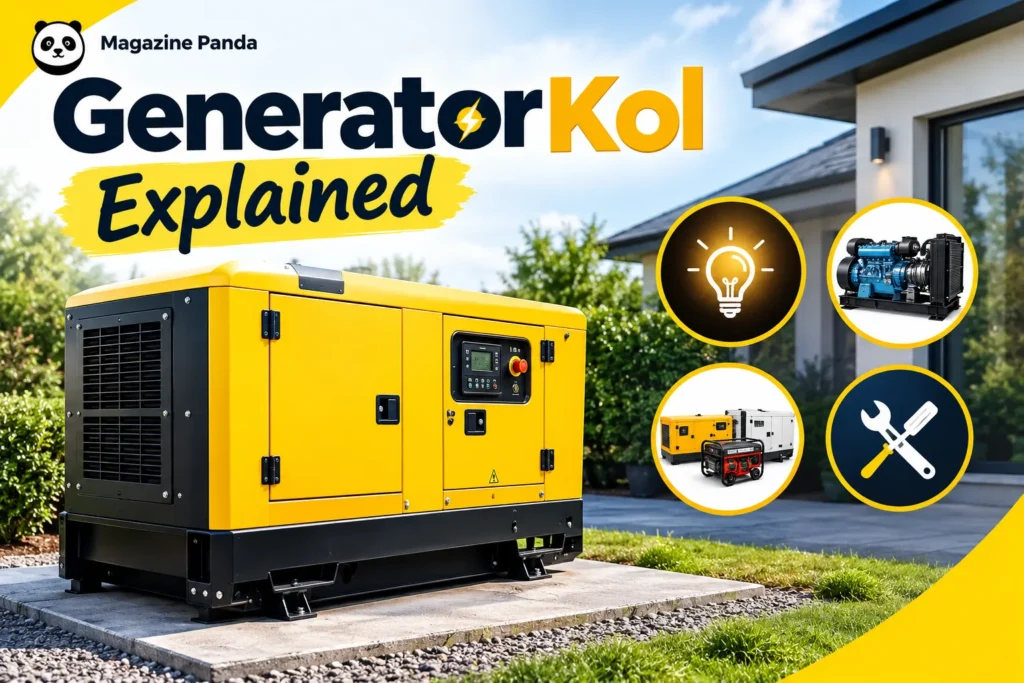

Generatorkol is a Swedish term commonly used for carbon brushes in generators and other electrical machines. These small components help transfer electrical current between stationary and rotating parts, allowing certain motors and generators to operate correctly. Although carbon brushes are relatively small compared with the equipment around them, their condition can affect electrical performance, operating reliability, and maintenance requirements.
The term is particularly relevant to people researching generator components, electrical repairs, and industrial equipment. Carbon brushes are not universal parts, and their construction varies according to the machine in which they are installed. Understanding how they work, what causes them to wear, and when they need attention can help equipment owners make better maintenance decisions.
Quick Facts About Generatorkol
| Detail | Information |
| Term | Generatorkol |
| Common meaning | Generator carbon brushes |
| Language association | Swedish |
| Main material | Carbon and graphite-based compounds |
| Primary function | Electrical contact in compatible machines |
| Common contact surfaces | Commutators and slip rings |
| Other applications | Selected motors and grounding systems |
| Wear characteristics | Designed to wear during operation |
| Replacement requirements | Model- and grade-specific |
| Maintenance needs | Inspection, cleaning, and condition checks |
| Brushless generator compatibility | Conventional brushes are generally not used |
| Best source for specifications | Equipment manufacturer’s documentation |
What Is Generatorkol?
Generatorkol refers to generator carbon brushes, which are conductive components made primarily from carbon or graphite-based materials. In suitable electrical machines, they maintain contact with a rotating commutator or slip ring while current passes through the connection.
These brushes are designed to wear gradually during normal operation. Their material is selected to provide an appropriate balance between electrical conductivity, friction, durability, and compatibility with the rotating surface.
Not every generator uses replaceable carbon brushes. Some modern generator designs use brushless excitation systems, so owners should identify their equipment’s configuration before purchasing replacement parts.
How Carbon Brushes Work
A carbon brush is held inside a brush holder and pressed against a rotating electrical contact by a spring or another specified mechanism. As the shaft turns, the brush maintains sliding contact with the commutator or slip ring.
In a brushed DC generator, the commutator helps manage the electrical connection as the armature rotates. In machines using slip rings, brushes can transfer current to or from rotating windings without performing the same commutation function.
The contact must remain sufficiently stable to carry the required current. Incorrect pressure, excessive vibration, contamination, or an unsuitable brush material can interfere with this process and contribute to overheating or premature wear.
Main Functions of Generator Carbon Brushes
Electrical Current Transfer
One of the primary functions of a carbon brush is to provide an electrical connection between a stationary circuit and a rotating component. This arrangement is necessary in certain generator and motor designs where a conventional fixed wire cannot directly connect to the moving part.
The brush material must suit the machine’s electrical load and operating conditions. Choosing an unsuitable grade can affect contact quality and shorten the service life of both the brush and the rotating surface.
Supporting Generator Excitation
Some generators use carbon brushes to transfer direct current to a rotating field winding through collector rings. This current helps establish the magnetic field needed for the generator’s operation.
The precise arrangement depends on the excitation system. Brushless generators use a different approach and generally do not require the same rotating field contacts.
Protecting Rotating Contact Surfaces
Carbon and graphite materials provide useful sliding properties. In suitable applications, the brush is designed to wear in a controlled manner instead of causing excessive damage to the more expensive commutator or slip ring.
This protection depends on the correct material, spring pressure, alignment, and surface condition. A poorly maintained brush assembly can still damage the rotating contact.
Types of Generator Carbon Brushes
Carbon brushes are available in several material grades. The correct choice depends on electrical load, machine speed, temperature, contact design, and the manufacturer’s specifications.
Carbon-Graphite Brushes
Carbon-graphite brushes combine carbon and graphite properties to provide electrical conductivity and controlled friction. They are used in selected electrical machines where their resistance and mechanical characteristics suit the application.
Their performance depends on the specific formulation rather than the name alone. Two brushes that look similar may have different electrical and mechanical properties.
Electrographite Brushes
Electrographite brushes are manufactured through a process that converts carbon-based material into a more graphitic structure. They are commonly used in industrial DC machines and certain generator excitation systems.
Their characteristics can make them suitable for demanding operating conditions, but the correct grade must still be selected for the equipment’s speed, current, and contact surface.
Metal-Graphite Brushes
Metal-graphite brushes contain conductive metals, commonly copper or silver, mixed with graphite. They are designed for applications requiring particularly low electrical resistance, including certain low-voltage, high-current systems.
These brushes are not interchangeable with ordinary carbon brushes. Their electrical properties and intended operating conditions must match the equipment.
Natural-Graphite Brushes
Natural-graphite grades are used in selected machines where their friction and electrical characteristics are appropriate. Depending on the grade, they may be suitable for particular slip-ring arrangements and other specialized applications.
The material must be selected according to the manufacturer’s recommendations rather than simply because it contains graphite.
Signs That Generator Carbon Brushes Need Attention
Excessive Sparking
Visible sparking beyond the level permitted by the equipment manufacturer can indicate poor contact, incorrect brush selection, uneven pressure, or an electrical fault.
Small amounts of electrical activity can occur in some brushed machines, so any assessment should follow the manufacturer’s inspection criteria. Persistent or unusually intense sparking warrants professional investigation.
Reduced Brush Length
As brushes operate, their contact surfaces gradually wear down. When the remaining material reaches the manufacturer’s minimum limit, replacement may be necessary to maintain reliable contact.
Brush length should be assessed against the specification for the particular model. A universal replacement measurement cannot be applied to every generator.
Overheating and Discoloration
Unusual heat, burning marks, or discoloration around the brush assembly can indicate a problem with electrical contact, ventilation, alignment, or loading.
Continuing to operate equipment with significant overheating may cause damage beyond the replaceable brush. The underlying cause should be identified before the machine returns to normal service.
Unstable Electrical Output
In a generator that relies on brushes for excitation, worn or poorly contacting components may contribute to unstable voltage or failure to build up the expected output.
However, similar symptoms can result from a faulty voltage regulator, damaged windings, wiring problems, or other electrical defects. Brush replacement should not be treated as a guaranteed solution without proper diagnosis.
Unusual Noise or Vibration
Chattering, uneven contact, or abnormal vibration may indicate a problem with brush pressure, the holder, the rotating surface, or the machine’s mechanical condition.
These symptoms deserve attention because repeated impact can accelerate wear. A qualified technician can determine whether the source is the brush assembly or another component.
What Causes Carbon Brushes to Wear Faster?
Normal wear is expected, but several conditions can shorten brush life. Excessive or insufficient spring pressure can disrupt the contact between the brush and rotating surface, while an incorrect grade may produce unsuitable friction or current-carrying performance.
Dust, oil, chemical contamination, and poor ventilation can also interfere with the contact surface. Mechanical vibration and a damaged commutator or slip ring may create uneven wear that cannot be corrected simply by installing new brushes.
Operating conditions matter as well. Changes in load, speed, humidity, and temperature can affect brush performance. Repeated premature wear should trigger an investigation into the underlying cause rather than repeated replacement alone.
How to Maintain Generator Carbon Brushes
Follow the Manufacturer’s Inspection Schedule
Inspection frequency depends on the generator design, operating hours, load, environment, and service conditions. Some equipment manuals specify checks at particular running-hour intervals, while industrial machines may require maintenance plans based on condition monitoring.
Follow the instructions for the exact model rather than assuming that every generator needs the same inspection schedule. Record brush wear and relevant operating observations so that changes can be identified over time.
Keep the Brush Assembly Clean
Accumulated dust and contamination can affect electrical contact. Maintenance personnel should use cleaning methods approved for the equipment and avoid introducing liquids or debris into electrical components.
Cleaning should not involve removing protective covers or touching internal components while the equipment is energized. Industrial electrical maintenance requires appropriate isolation and safety procedures.
Check Spring Pressure and Alignment
The brush must move freely within its holder and maintain the specified contact pressure. A sticking brush, weakened spring, or incorrectly positioned holder can lead to uneven wear and unreliable electrical contact.
These adjustments should follow the manufacturer’s specifications. Incorrect pressure can create further problems even when the replacement brush itself is suitable.
Monitor the Rotating Surface
The commutator or slip ring should be inspected for abnormal grooves, discoloration, uneven wear, contamination, and other damage. Installing new brushes against a seriously damaged surface may result in rapid deterioration.
If surface defects are present, a qualified technician should determine whether cleaning, machining, repair, or replacement is necessary.
How to Choose the Correct Replacement Brush
Selecting a replacement involves more than matching the external appearance of the original component. Several technical details must be checked before an order is placed.
- Manufacturer and model: Identify the exact generator or motor.
- Part number: Use the original equipment specification whenever available.
- Dimensions: Check the required thickness, width, and length.
- Material grade: Confirm that the replacement has the appropriate electrical and mechanical properties.
- Terminal arrangement: Match the required lead, connector, and attachment method.
- Operating conditions: Consider the machine’s current, speed, temperature, and environment.
A supplier should be able to confirm compatibility before a purchase. Avoid mixing different brush grades on the same contact track unless the equipment manufacturer specifically authorizes the arrangement.
How to Replace Generator Carbon Brushes
Replacement procedures differ significantly between portable generators and industrial electrical machines. Some small generators have an accessible brush assembly, while other equipment requires specialized service procedures.
Before maintenance begins, the machine must be shut down, isolated from electrical sources, and secured against accidental startup. Stored electrical energy and hot components must be addressed according to the manufacturer’s instructions.
A qualified technician should inspect the holder, wiring, spring mechanism, and rotating surface before installing the specified replacement. Where required, the new brushes must be seated correctly against the contact surface.
After installation, the technician should carry out the prescribed checks before returning the equipment to service. Live electrical work should not be attempted by an unqualified person.
Do Brushless Generators Use Generatorkol?
Brushless generators generally avoid the conventional carbon-brush arrangement used to transfer excitation current directly to a rotating field through collector rings. Instead, they use a different excitation architecture, often involving an exciter and rotating rectifier assembly.
This design reduces certain maintenance requirements associated with sliding electrical contacts. However, brushless equipment still requires inspection and servicing of its bearings, cooling system, electrical connections, and other components.
Owners should consult the equipment documentation before ordering brushes. A generator that does not use them cannot be repaired by installing a generic carbon-brush kit.
Applications of Carbon Brushes
Carbon brushes serve a range of electrical machines beyond portable power generators. Their applications include certain industrial DC motors, electrical generators, wound-rotor motors, and specialized rotating electrical equipment.
In industrial facilities, the correct brush grade can help maintain reliable operation in equipment used for manufacturing, processing, and power generation. Some large generator systems also use brushes for shaft grounding, which helps provide a controlled path for unwanted shaft currents.
These applications have different engineering requirements. A brush intended for a small portable generator should not be assumed suitable for a large industrial machine.
Cost and Replacement Considerations
The cost of generator carbon brushes depends on their size, material, manufacturer, terminal design, and intended application. Standard replacement components may be relatively inexpensive, while specialized industrial grades can cost considerably more.
There is no single reliable price for every Generatorkol component. Buyers should compare compatible parts from reputable suppliers and consider shipping, availability, and any required technical support.
The purchase price is only one part of the overall cost. Repeated failures, unnecessary downtime, and damage to the commutator or slip rings can be more expensive than selecting the correct replacement initially.
Environmental and Storage Considerations
Carbon brushes should be stored in a clean, dry environment according to the supplier’s instructions. Excessive moisture, contamination, or physical damage can affect the condition of some brush materials and their associated components.
Keep replacement parts identified by model and grade to prevent accidental mixing. Damaged, contaminated, or incorrectly labeled brushes should be checked before installation rather than used simply because their dimensions appear correct.
Used brushes and other electrical components should be disposed of according to applicable local waste-handling requirements. Industrial maintenance teams should follow their organization’s procedures for handling contaminated or specialized materials.
Frequently Asked Questions
What does Generatorkol mean?
Generatorkol is a Swedish term commonly used for generator carbon brushes. These components maintain sliding electrical contact in certain motors and generators.
How do I know when generator carbon brushes need replacing?
Signs may include brushes reaching their minimum permitted length, unusual sparking, overheating, or uneven wear. The manufacturer’s inspection criteria should determine when replacement is necessary.
Do all generators have carbon brushes?
No. Some generators use brushless excitation systems and do not require conventional replaceable excitation brushes. The equipment design must be checked before purchasing parts.
Can I use any carbon brush in my generator?
No. Brush material, dimensions, terminal arrangement, and electrical characteristics must match the machine’s requirements. An unsuitable replacement can cause poor performance or equipment damage.
How often should generator brushes be inspected?
The appropriate interval depends on the model, operating conditions, and manufacturer’s maintenance schedule. Industrial machines may require condition-based inspection rather than a single universal interval.
Why do carbon brushes wear out quickly?
Possible causes include incorrect brush grade, unsuitable spring pressure, contamination, vibration, damaged contact surfaces, and inappropriate operating conditions. Identifying the cause is important when wear repeatedly occurs too soon.
Are generator carbon brushes expensive?
Prices vary according to the equipment, material grade, dimensions, and supplier. Confirming the correct part number is more useful than comparing prices for brushes that may not be compatible.
Final Wordings
Generatorkol is a useful term for understanding carbon brushes in electrical generators and other compatible machines. These components maintain electrical contact between stationary and rotating parts, and their material properties must suit the equipment’s operating conditions.
Regular inspection, appropriate replacement parts, and correct installation can help prevent avoidable maintenance problems. Persistent sparking, excessive heat, and unusual wear should be investigated rather than treated as routine brush replacement issues.
The most important step is to identify the generator’s design and follow its manufacturer’s specifications. With the correct brush grade and a suitable maintenance plan, equipment owners can make better decisions about reliability, repairs, and long-term operating costs.
Continue Exploring Our Latest Article: Ponas Robotas Explained: Meaning, Mr. Robot Connection, Cybersecurity, Story & AI Confusion