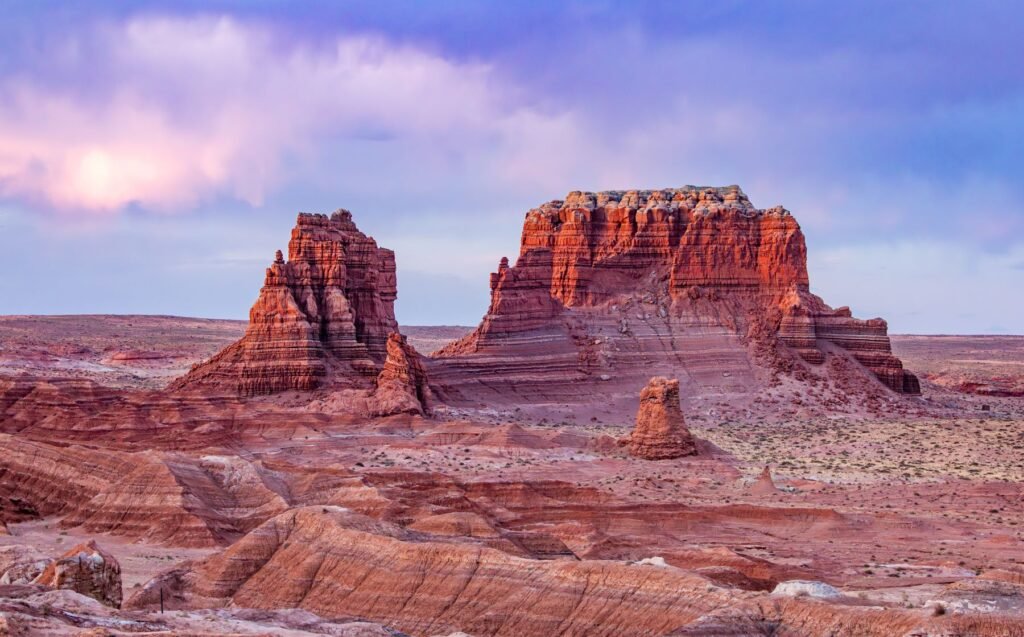

Picture a Saturday morning in late October. You’re on a sandstone trail before breakfast, the air is cool and dry, and the sky is a blue that looks edited. By afternoon you’re on a patio in a t-shirt, wondering why you put up with gray winters for so long.
That image is why St. George keeps landing on people’s shortlists. It’s also incomplete. The city has real strengths and real trade-offs, and the people who settle in happily tend to be the ones who weighed both before signing a lease or a mortgage. This guide covers what everyday life looks like so you can judge the fit for yourself.
The Climate: Summer Heat Is the Headline, but Not the Whole Story
St. George sits in the Mojave Desert’s northeastern corner, and the weather follows from that. Summers are hot. Triple-digit afternoons are normal, and the sun is intense even in the early evening. Residents adapt by shifting errands to the morning, planning outdoor exercise around sunrise, and treating shade and air conditioning as essentials rather than luxuries.
The other seasons make up for it. Spring and fall are mild and long, with comfortable days that suit hiking, cycling, and patio dinners. Winters are far gentler than most of the country. Snow does fall occasionally, but it rarely lingers in town, and mountains where you can ski are a short drive away.
If you handle heat poorly, take this part seriously. Spend a few days in July before committing, not only a pleasant week in April. A visit in peak summer tells you more than any article can.
Outdoor Access Shapes the Weekly Routine
Many people who relocate to the area say the landscape is what finally convinced them. Zion National Park is roughly an hour away. Snow Canyon State Park sits on the edge of town. Sand Hollow and Quail Creek offer reservoir recreation, and trail systems for hiking and mountain biking run right up against residential neighborhoods.
This changes how people spend free time. A weekday evening might include a short trail walk, and a weekend might mean a canyon day trip. Golf is another draw, with plenty of courses in the area, and the mild shoulder seasons keep the playing calendar long.
What Newcomers Often Underestimate
Popular places get crowded. Zion in particular fills up during peak seasons, and parking and shuttle logistics take planning. Locals learn to go early, go midweek, or pick lesser-known spots nearby. Once you build those habits, the abundance of nearby outdoor options feels less like a tourist attraction and more like a backyard.
Housing and Cost of Living: The Trade-Offs Few People Mention
The city has grown quickly over the past couple of decades, and housing reflects that. Newer neighborhoods are common, with a mix of single-family homes, townhomes, and planned communities. Many buyers appreciate the modern construction and the amenities that come with it.
Cost is where expectations need adjusting. Housing prices have climbed as more people discovered the area, and buyers coming from lower-cost markets may find the numbers less forgiving than the city’s reputation suggests. People arriving from coastal or large metro areas often find it comparatively affordable, while those coming from smaller towns elsewhere in the Mountain West may not.
Utility bills deserve their own line in your budget. Cooling a home through a long summer costs real money, and water use is a regular topic of conversation in the desert. Landscaping choices matter here, too. Many homeowners favor desert-friendly yards, partly for the savings and partly because local water conservation efforts encourage it.
Rather than relying on a general sense of what things cost, look at actual listings, talk to local real estate professionals, and ask neighbors what their summer power bills look like. Real numbers beat impressions every time.
Jobs, Schools, and Healthcare
Anyone relocating for work should check the job market early. The local economy includes healthcare, education, construction, retail, tourism, and a growing number of small businesses. Remote work has also opened the door for people who keep jobs based elsewhere, which is part of why the city has attracted newcomers from many industries.
Education options include public and charter schools, along with Utah Tech University, which gives the city a college-town element in some neighborhoods. Families should research individual schools and boundaries rather than assume quality is uniform across town.
Healthcare access has improved alongside the population. St. George has a regional hospital and a range of clinics, which matters to the many retirees who choose the area. Still, people with specialized medical needs should confirm that the right providers are nearby before deciding. For some conditions, patients travel to larger cities for specialist care.
The Pace of Life: Quiet, Growing, and Different from Vegas or Salt Lake
Culturally, St. George feels smaller and calmer than the big cities around it. Las Vegas is roughly two hours away, and Salt Lake City is several hours north. That distance means the area has its own identity instead of acting as a suburb of either.
Residents often describe a family-oriented, community-minded atmosphere. Local events, farmers markets, and youth sports are a visible part of daily life. Evenings tend to be quiet, and the nightlife scene is modest compared with a major city.
Utah’s culture and laws also shape local life in ways newcomers should understand. The state has a strong religious presence, and that influences everything from business hours to social calendars. Many people find it welcoming. Others find it takes some adjustment. Neither reaction is wrong, but it helps to visit and see how it feels to you.
Air travel works well enough for a city this size. The local airport offers connections to major hubs, though flight options are more limited than in a large metro area. For frequent travelers, that is worth factoring in.
Practical Logistics to Sort Out Before Committing
Once the decision to relocate feels solid, the work shifts to execution. Distance is the first variable. A short hop within southern Utah is a different job from a cross-country relocation, and the timing, cost, and stress levels differ accordingly.
Summer heat affects the physical side of a move in ways people don’t always anticipate. Loading a truck at 2 p.m. in July is hard on everyone involved, as well as on heat-sensitive belongings like candles, electronics, and certain furniture finishes. Scheduling an early morning start, staying hydrated, and planning for temperature-sensitive items all help.
Hiring help is a common way to manage that. A local moving company in St. George, such as Little Man Moves, can offer practical advantages here, including familiarity with the area’s neighborhoods, traffic patterns, and desert conditions, plus packing help for those short on time. Whoever you choose, get a written estimate, ask what’s included, and confirm how they handle damage claims.
A few other items belong on the checklist early:
- Utility setup, especially electricity and water, so service is active when you arrive
- Updating your vehicle registration and driver’s license within the time Utah requires
- Finding a primary care provider and transferring medical records
- Scouting neighborhoods in person, at different times of day
Questions Worth Asking Yourself Before You Decide
Every city suits some people better than others. A few honest questions can help you test your own expectations:
- Can I live comfortably through several months of intense heat?
- Does my budget hold up once I factor in housing, utilities, and travel to see family?
- Do I want a quieter pace, and am I fine with fewer big-city amenities?
- Is my work, or my ability to work remotely, secure enough to support the move?
- Will the local culture feel like a good fit for my household?
If most answers come easily, you’re probably looking at a strong match. If several feel shaky, that’s useful information too, and it’s far cheaper to learn it before a relocation than after.
Final Thoughts
St. George rewards people who arrive with clear eyes. The scenery, the mild winters, and the access to outdoor recreation are real, and so are the summer heat, the rising prices, and the quieter social scene. Neither list cancels out the other. They just describe a place with a distinct personality.
The best next step is a visit that includes the less glamorous parts of town. Drive through different neighborhoods, stop at a grocery store, and talk to people who live there. A few days of that will tell you more than any brochure, and it will help you decide whether this is a place you want to build your daily routine around.
Read More From Magazinepanda