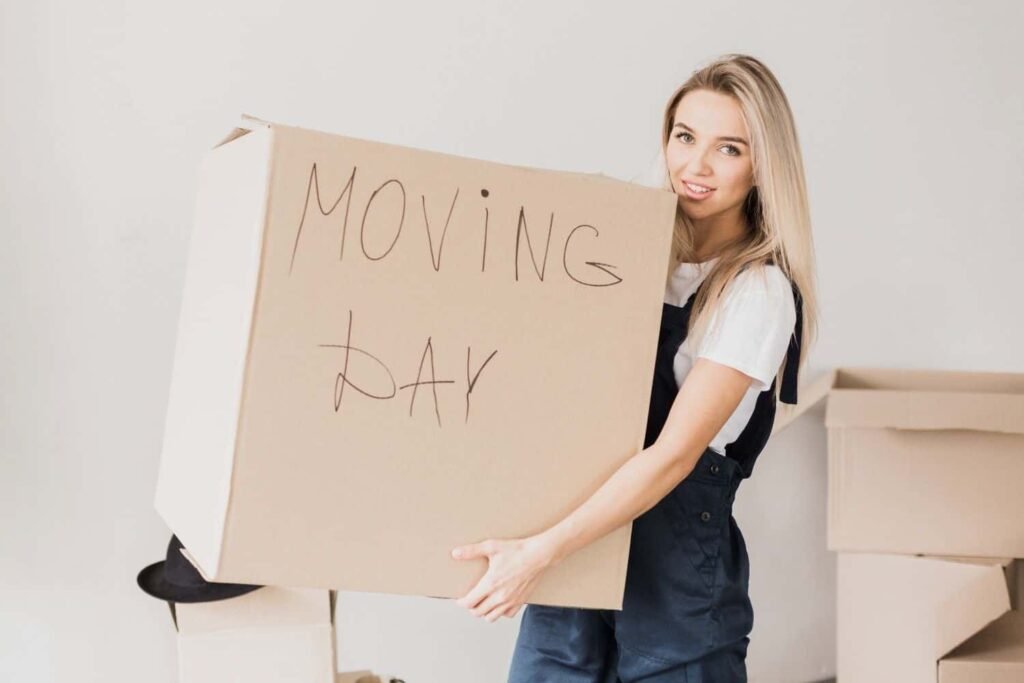

Most moving advice focuses on the weeks before the move: sort your stuff, buy boxes, change your address. That advice is useful, but it skips the part where things actually fall apart. Moving day itself is a long stretch of hours where small problems pile up quickly.
A missing roll of tape can hold up a whole room. A couch that won’t fit through the door can throw off the entire schedule. And by 4 p.m., everyone is tired, hungry, and making worse decisions than they did at 8 a.m.
This guide walks through moving day one block of time at a time. You’ll see what should happen, what usually goes wrong, and how to stay ahead of it. It works for a DIY move with friends, and it works if you’ve booked a moving company in Augusta, GA or anywhere else. The goal is the same either way: fewer surprises and a first night in your new place that doesn’t feel like camping.
Key Takeaways
- Most moving day problems start the night before, so treat that evening as part of the move.
- Pack a “first night” box and keep it with you, not on the truck.
- Walk through every room, closet, and cabinet before the truck leaves.
- Measure large furniture and doorways ahead of time to avoid stuck-couch moments.
- Set up beds and the bathroom first at your new home. Everything else can wait.
- Plan food and breaks into the schedule, because tired people drop things.
The Night Before: Where Moving Day Really Starts
Think of the evening before as the opening act. What you finish tonight decides how calm tomorrow morning feels.
Start by packing everything except what you’ll use in the next 12 hours. That means toiletries, a change of clothes, phone chargers, and whatever you need for breakfast. If you find yourself packing the coffee maker at 7 a.m., the day is already running late.
Pack Your “First Night” Box
This is the single most useful box you’ll pack. Fill it with the things you’ll need before you’ve unpacked anything else:
- Toilet paper, soap, and a towel
- Bedsheets and pillows
- Phone chargers and a power strip
- Basic tools like a screwdriver, box cutter, and scissors
- Snacks, water, and paper plates
- Medications and important documents
Keep this box in your car, not on the truck. Trucks sometimes arrive later than expected, and you don’t want your toothbrush sitting in a locked trailer across town.
Prep the Big Stuff
Defrost the fridge if it’s moving with you. Take apart bed frames and tables that won’t fit through doors in one piece. Put all the screws and bolts in labeled zip-top bags and tape each bag to the furniture it belongs to.
That last step sounds small. It saves an enormous amount of frustration when you’re rebuilding a bed at 10 p.m. and can’t find the right bolt.
7:00 to 8:00 a.m.: Get the House Ready
Eat a real breakfast. It sounds obvious, but moving day is physical work, and skipping food is one of the fastest ways to lose energy by midday.
Next, clear a path. Walk from the farthest room to the front door and remove anything that might trip someone carrying a dresser. Prop doors open, put down floor protection if you have it, and park your own car somewhere that leaves room for the truck.
If you have pets or young children, this is the time to get them settled somewhere else. A friend’s house or a closed-off room with a sign on the door works well. Open doors and busy people are exactly how cats go missing on moving day.
8:00 to 9:00 a.m.: Arrival and the Game Plan
If you’ve hired movers, spend the first ten minutes walking them through the house. Point out fragile items, anything that isn’t going, and the pieces you’re worried about. A quick tour prevents a lot of “Wait, that wasn’t supposed to go” moments later.
If friends are helping, give each person a clear job. One person can stay inside directing boxes, while others carry. Without a plan, you’ll end up with five people standing around a single bookshelf while the rest of the house sits untouched.
Decide the Loading Order
Heavy furniture and appliances usually go on the truck first, placed toward the front. Boxes fill in around them, with lighter boxes on top. Mattresses and soft items can act as padding against walls.
Load the items you’ll need first at the new home last, so they come off first. Bed frames, mattresses, and bathroom boxes are good examples.
9:00 a.m. to 12:00 p.m.: The Heavy Lifting
This is the busiest stretch of the day. Most of the loading happens here, and it’s also when injuries and damage are most likely.
Lift with your legs, keep loads close to your body, and don’t twist while carrying something heavy. For large pieces, talk before you move. Agree on which direction you’re going and who leads, especially on stairs.
Watch for Stuck Furniture
Few things stall a move like a sofa wedged in a doorway. Before moving day, measure your largest pieces and compare them to doorways, hallways, and stairwells at both homes. Sometimes removing the legs or taking a door off its hinges solves the problem in minutes.
If something truly won’t fit, don’t force it. Scraped walls and broken furniture cost more than taking ten minutes to rethink the approach.
12:00 to 1:00 p.m.: Take a Real Break
People often want to push through lunch to finish faster. That usually backfires. After a few hours of lifting, attention slips, and that’s when boxes get dropped and toes get stubbed.
Order food ahead of time or have something simple ready. Drink water, sit down for a bit, and let everyone reset. If you’re working with a hired crew, check in about timing and ask whether anything unexpected has come up.
1:00 to 2:30 p.m.: The Final Walkthrough
Once the truck looks full, it’s tempting to lock the door and leave. Don’t skip the walkthrough. This is where forgotten items hide.
Go room by room and open every closet, cabinet, and drawer. Check the attic, garage, basement, and backyard shed. Look behind doors and on top of the fridge. People often leave behind things like curtain rods, spare keys, garage remotes, and the stuff under the bathroom sink.
Leave the Old Place in Good Shape
A quick sweep and wipe-down goes a long way, especially if you’re renting and want your deposit back. Take photos of each empty room before you leave. If there’s ever a disagreement about the condition of the property, those photos can help.
Also, check that windows are locked, lights are off, and the thermostat is set to a reasonable temperature. Then hand off or secure the keys.
2:30 to 5:00 p.m.: Arrival and Unloading
When you arrive at the new home, the first job is directing traffic. Stand near the entrance and tell carriers where each item goes. Labeled boxes make this much easier. A simple system like “Kitchen,” “Master Bedroom,” or color-coded tape by room saves a lot of back-and-forth.
Before furniture comes in, decide where the big pieces will sit. Moving a heavy dresser once is enough. Moving it three times because you changed your mind is how backs get hurt.
Inspect as Things Come Off
Keep an eye on items as they’re unloaded. If you notice damage, write it down and take a photo right away. It’s much easier to sort out an issue on the spot than a week later when you’re not sure when it happened.
5:00 p.m. Onward: Make the First Night Comfortable
You won’t unpack everything tonight, and you shouldn’t try. Focus on three things: sleep, showers, and food.
Set up beds first. A made bed at the end of a long day feels like a small victory. Next, get the bathroom working with towels, soap, toilet paper, and a shower curtain. After that, find a way to eat, whether that’s takeout or a simple meal from your first night box.
Check that the basics are working, including water, electricity, heat or air, and internet if you need it for work the next morning. Lock all the doors and, if possible, change the locks soon. You don’t know how many copies of the old keys exist.
Common Moving Day Mistakes to Avoid
A few problems show up again and again, no matter how big or small the move is.
Packing too late. Unpacked items on moving day slow everyone down and often lead to rushed, careless packing.
Overloading boxes. Large boxes filled with books are hard to lift and more likely to break. Put heavy items in small boxes and light items in large ones.
Forgetting about parking. In apartment complexes or busy streets, a truck may need a reserved spot. Check with your building or neighborhood ahead of time.
Not confirming details. A quick call or message a few days before the move to confirm the time, address, and any special items can prevent a lot of confusion.
Conclusion
A smooth move rarely comes down to luck. It comes from breaking a long, tiring day into smaller pieces and handling each one before it turns into a problem. When the night before is treated as part of the move, most of the morning chaos simply doesn’t happen.
Keep your essentials with you, measure the big furniture ahead of time, and never skip the final walkthrough. Build breaks and meals into your schedule, and give everyone helping a clear role. At the new home, focus on beds, the bathroom, and food first, then let the rest of the unpacking wait for another day.
Moving will always take effort, but it doesn’t have to feel like a scramble. With a realistic plan for each part of the day, you’ll end your first night tired but settled, which is about the best result any moving day can offer.
Read More From Magazinepanda