
Why On Tennis Shoes Need a Clay-Court Plan
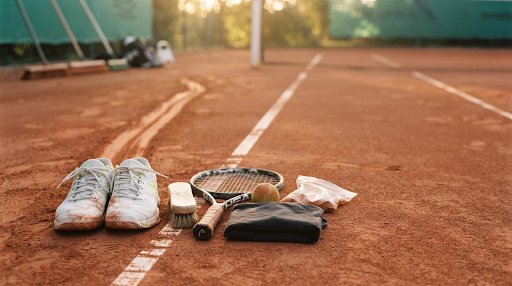
Clay changes tennis in the first five minutes. The ball sits up slower, rallies run longer, and your feet start to slide whether you planned it or not. That’s fun when you’re ready and scary when you’re not. So even in late November, it’s smart to plan for spring. Start with on tennis shoes, because the right pair makes sliding feel controlled instead of chaotic. The shop’s tennis page lists a Roger Pro Fire Clay style built for sliding and pivoting on that surface, which tells you clay-specific design exists. Still, no shoe teaches technique. I’d rather you spend winter learning to move on clay than hunting for a magic sole. Here’s a plain guide to tread, sliding, cleaning, and clothes for the dusty months ahead.
What Clay Does to Your Footwork
Hard courts grip. Clay gives. That one difference rewrites your footwork. On a hard court, you plant and push. On clay, you glide into the shot, let your foot slide a little, and push from the slide. Because the surface moves under you, you shouldn’t stop short with stiff legs. Bend your knees, stay low, and let your shoe slide for a moment before it grips. Here’s a detail only regular clay players notice: the slide happens in the last third of your step, not the first. If you start sliding too early, you arrive late and off balance. Also, clay slows the ball, so you’ll hit more shots per point. That means more steps, more turns, and more stress on your calves. Warm up longer than usual, because tight calves and sliding don’t mix.
A Five-Step Clay Check Before You Buy or Play
Take a few minutes to test your shoes before the season starts: 1. Flip the shoe over and look at the tread. A herringbone pattern grips loose clay while letting dust fall out. 2. Press the side walls to check for firm support, since soft sides fold during a slide. 3. Lace every eyelet tightly, because a loose foot slides inside the shoe as well as on the court. 4. Walk on a dusty surface and see whether the sole feels predictable. 5. After one session, check the grooves for packed clay, which means the tread isn’t shedding well. Don’t skip step five. Packed grooves turn a good sole into a smooth one, and that’s when ankles get twisted. Also, the shop’s FAQ suggests going half a size up only if you wear thick socks or ankle braces, so test with your real socks.
Choosing On Tennis Shoes for Clay
When you’re ready to browse, the full range of on cloud tennis shoes includes the Roger Pro Fire Clay, plus Roger Pro 2 and ADV Z5 styles. The page says the tread uses modified herringbone grooves to grip loose clay and shed buildup. When I looked, the Roger styles were listed at $129, marked down from $200, with a 30-day wear trial mentioned. Check those terms yourself, since they can change. Here’s my honest limit: mesh uppers let in fine clay dust, so expect your socks to turn orange. Also, a cushioned shoe can feel less connected to a soft surface, and some clay players prefer a firmer, lower platform. I like cushioning for my knees, but that’s taste, not a rule. Try a pair for three sessions before you decide.
What to Pack for Clay Days
Clay leaves a mark on everything, so pack with that in mind:
- A soft brush for your soles and your shoe uppers.
- Two pairs of dark socks, since orange dust stains white ones.
- A towel for your hands, because dusty grips get slippery.
- A plastic bag for dirty shoes, so clay stays out of the trunk.
- A water bottle and a small spray bottle to dampen the baseline if the court is dry.
- A fresh set of clothes for after play.
Also, tap your shoes against a fence post or your racket handle before you leave the court, not against your frame’s head. Dust packed in the grooves flies out fast, and your sole grips better next time. Pack the shoes last, soles facing outward, so dirty rubber stays away from clean clothes.
Clothes That Handle Orange Dust
Clay clings to light fabric, so pick darker colors for court days. Save light layers for the drive home. Simple tees from nofs, the German streetwear label, can work as clean, easy layers, since the shop groups its plain tees in a basic tee category. Wear one on the walk to the court, then change after play. Now, a caution: cotton holds sweat and clay, so it isn’t ideal for a long match. Also, check each product page for the size chart, because boxy cuts run roomy, and the shop’s own tip is to size down one for a closer fit. Wash clay-stained clothes inside out on a cool, gentle cycle, and skip the dryer, because heat sets stains and stretches cuffs.
Court Etiquette and Small Habits
Clay courts have their own quiet rules. Smooth the surface with a drag brush when you finish, and sweep the lines if your club allows it. Check the line yourself after a close call by looking at the ball mark, since clay shows exactly where the ball landed. That’s a big part of the sport’s honesty. Don’t wear dirty street shoes on the court, because pebbles break the surface. Also, water the court if it’s dry, since dust makes the surface slick. Warm up with side shuffles and gentle slides, and let your ankles learn the surface before the first rally. If the court is soaked, stay off it. Damaging a wet surface costs the whole club a week.
Care and Replacement After Clay Season
Clay is rough on shoes in a sneaky way. Brush off dust after every session, and clear the grooves with an old toothbrush. Pull the insoles out and let the shoes dry at room temperature, away from heaters, because heat bends glue. Wipe the uppers with a damp cloth, and skip the washing machine. Many coaches suggest replacing court shoes after roughly forty-five to sixty hours of play. Watch for smooth tread under the big toe, a flat, creased midsole, or new knee and heel aches. If you play three times a week or more, owning two pairs lets the foam recover. Honestly, a clean pair with open grooves grips better than a newer pair full of packed dirt.
Final Words
Clay rewards patience, balance, and a little preparation. Check your tread, learn to slide late in the step, and keep your gear clean. Then dress for dust and enjoy the long rallies. Take your measured foot size, a soft brush, and a dark pair of socks, and you’ll be ready when the courts open in spring.
FAQs
Can I wear hard-court shoes on clay?
You can, but a herringbone tread grips loose clay better and sheds dust. Smooth or packed soles feel slick.
How do I slide on clay without falling?
Stay low, bend your knees, and slide late in your last step. Let the shoe grip at the end, not the start.
How do I clean clay from my tennis shoes?
Brush off dust, clear the grooves with an old toothbrush, and wipe the upper with a damp cloth. Skip the washing machine.
Do I need a different shoe size for clay?
Not usually. Size up half a size only if you wear thick socks or ankle braces.
When should I replace clay-court shoes?
Many coaches suggest around 45 to 60 hours of play. Smooth tread, a flat midsole, or new knee and heel aches mean it’s time.
Our Latest Post On: MagazinePanda