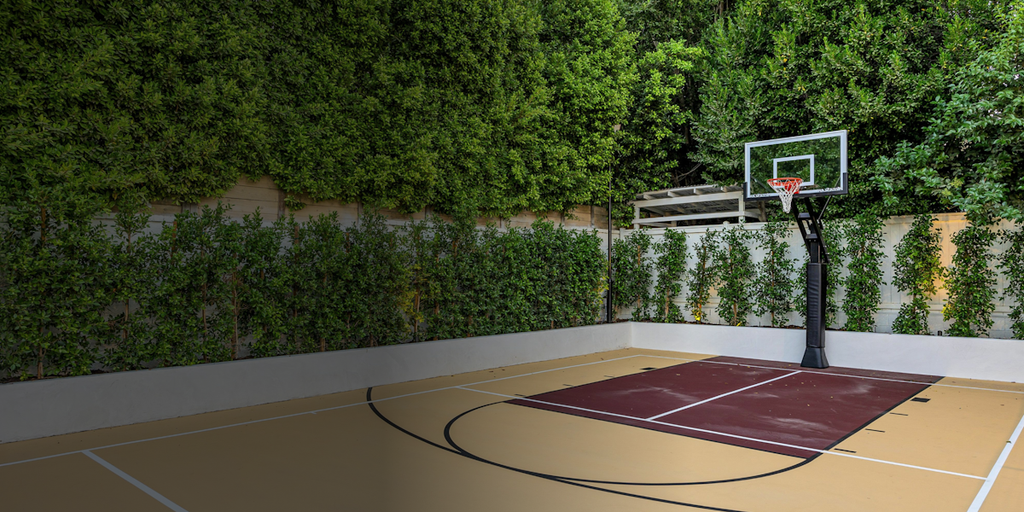

Introduction
Planning a basketball court in Nashua, New Hampshire, requires careful consideration of the playing surface, site conditions, drainage, and long term maintenance. Whether you are developing a residential court, upgrading a school gym, or creating a recreational facility, the right planning decisions can improve safety, durability, and playing performance. Understanding the indoor basketball court installation benefits can also help property owners determine whether an indoor or outdoor facility best suits their needs.
Here are eight important factors to consider before starting your basketball court project.
1. Choose the Right Basketball Court Surface
The playing surface directly affects ball bounce, traction, comfort, and player safety. Your choice should reflect how frequently the court will be used and the type of facility being developed.
Consider these options:
- Acrylic surfaces: Suitable for outdoor courts because they provide traction and withstand regular play when properly maintained.
- Cushioned sports surfaces: Help absorb impact and provide additional comfort for recreational and competitive play.
- Maple hardwood flooring: A popular choice for indoor basketball courts in schools, sports clubs, and gymnasiums.
- Synthetic athletic flooring: Offers versatile performance characteristics for indoor recreational facilities.
Select a surface that matches your playing requirements, maintenance expectations, and local climate conditions.
2. Evaluate Site Conditions and Ground Preparation
Proper ground preparation creates a stable foundation for basketball court construction. Uneven ground, weak soil, and inadequate compaction can contribute to surface cracks and premature deterioration.
Before installation, assess the proposed site for:
- Soil stability and load bearing capacity.
- Existing slopes and elevation changes.
- Tree roots, rocks, and other underground obstructions.
- Accessibility for construction equipment.
- Available space for court boundaries and surrounding areas.
A thorough site assessment helps identify potential problems before construction begins and supports a more durable finished court.
3. Plan for Drainage and New Hampshire Weather
Nashua experiences seasonal temperature changes, precipitation, and winter freezing conditions. These factors can affect outdoor court surfaces, particularly when water collects beneath or around the playing area.
Effective drainage planning should include suitable grading, appropriate runoff routes, and a properly prepared base. Contractors should also consider materials designed to withstand local weather conditions.
For outdoor courts, avoid locations where water naturally accumulates. Good drainage helps reduce moisture related damage and supports longer surface life.
4. Determine the Correct Court Dimensions
Court dimensions depend on the intended use, available property space, and preferred playing format. A full regulation court may be appropriate for schools and sports facilities, while residential properties may benefit from a half court.
During planning, consider:
- Whether the court will support full court or half court play.
- Required playing lines and boundary markings.
- Space for player movement beyond the court lines.
- Placement of hoops, backboards, and supporting equipment.
- Lighting and spectator areas, where applicable.
Accurate measurements help ensure that the completed court meets the intended playing requirements.
5. Understand Basketball Court Installation Cost
The basketball court installation cost depends on several project specific factors rather than court size alone. Understanding these expenses early helps property owners establish a realistic budget.
Major cost considerations include:
- Site clearing, excavation, and foundation preparation.
- Base construction and drainage systems.
- Selected flooring materials and surface finishes.
- Hoop systems, fencing, and lighting.
- Court line painting and additional accessories.
Request an itemized estimate that separates preparation, materials, installation, and optional features. This makes it easier to compare proposals and prioritize essential improvements.
6. Hire Professional Basketball Court Installation Specialists
Working with experienced contractors can help prevent construction mistakes and ensure that the court is designed for its intended use. Professional basketball court installation involves more than laying a surface; it requires careful coordination of site preparation, drainage, materials, and finishing.
Before choosing a contractor, review their previous sports court projects, installation methods, and experience with similar facilities. Ask about warranties, maintenance recommendations, project timelines, and the materials included in the proposal.
A qualified installation team can also identify site specific challenges and recommend practical solutions before construction begins.
7. Include Lighting, Fencing, and Safety Features
Additional features can improve court usability, particularly for schools, community facilities, and residential properties.
Depending on the project, consider installing:
- Outdoor lighting for improved visibility during evening play.
- Fencing to keep basketballs within the designated playing area.
- Secure hoops and correctly installed backboards.
- Clear boundary markings and unobstructed access points.
- Appropriate spacing around the playing surface.
These features should be incorporated into the initial design to avoid unnecessary modifications after construction.
8. Plan for Long Term Maintenance
Regular maintenance protects your investment and helps preserve court performance. The maintenance schedule will depend on the surface material, usage frequency, and exposure to weather.
For outdoor courts, remove leaves and debris, inspect cracks, and check drainage after heavy rainfall. Indoor facilities should receive routine cleaning and periodic inspections of flooring, markings, and equipment.
Discuss recommended maintenance procedures with your contractor before installation. Planning for upkeep from the beginning can help reduce unexpected repairs and extend the court’s useful life.
Key Takeaway
Before beginning your project, assess your site, establish a realistic budget, and choose materials suited to your intended use and local climate. Consulting an experienced basketball court designer can help you develop a practical layout, select appropriate surfaces, and coordinate essential features for a durable, well planned basketball court.