
Choose by Specification, Not Appearance Alone
Choosing the best steel pipe begins with the intended application. The same shape may be sold for decorative fabrication, structural work or industrial service, but these uses can require different material grades, dimensional tolerances, inspection and standards. A polished surface or heavy-looking wall does not by itself prove that a pipe is suitable for a particular job.
Buyers can make a better decision by defining the operating environment, loads, dimensions, finish, expected service life and documentation before requesting a quote. This reduces ambiguity and makes supplier offers easier to compare. For safety-critical, structural or pressure applications, the final selection should be reviewed by the qualified engineer or specifier responsible for the project.
Step 1: Define the Application
Write down what the pipe will do. Is it a handrail, furniture frame, gate, display structure, machine component, building element or fluid-carrying line? Identify whether it is primarily decorative, structural, exposed to corrosion, cleaned frequently or subject to pressure and temperature.
Describe the environment. Indoor dry service may have different requirements from an outdoor coastal location, chemical processing area or facility using aggressive cleaning agents. Consider moisture, chlorides, pollutants, abrasion, heat, impact and maintenance access. The environment is a major factor in choosing a suitable material and finish.
Step 2: Choose the Material Family
Carbon steel is widely used for structural and general fabrication purposes. It can be economical where design, corrosion protection and maintenance are suitable. It may require coatings or other protection in corrosive environments.
Stainless steel is selected for corrosion resistance, appearance, cleanability and durability in many applications. Performance varies by grade and environment, and the material still requires correct design, handling and maintenance. “Stainless” does not mean the product can never stain or corrode.
Alloy steels may be required for specialized mechanical, thermal or industrial conditions. Material choice should follow the design requirements rather than an assumption that one family is always superior.
Step 3: Understand Stainless Steel Grades
Grade 201 is used in some cost-sensitive decorative and general applications where the environment is suitable. Its corrosion resistance differs from 304 and 316, so it should not be substituted into a demanding environment without technical review.
Grade 304 is a common austenitic stainless steel used in many general-purpose applications. It offers a useful balance of corrosion resistance, formability and availability in many markets, but performance still depends on exposure and fabrication practices.
Grade 316 contains molybdenum and generally provides improved resistance to certain chloride-containing environments compared with 304. It is often considered where service conditions justify the additional cost. It is not immune to every form of corrosion, and severe environments may require a different material or design approach.
Grade selection should account for chemical exposure, temperature, cleaning agents, surface finish, welding, crevices and maintenance. If a project specifies a grade, do not change it solely to reduce cost without written technical approval.
Step 4: Select Shape and Dimensions
Round pipe is often chosen for handrails, posts, fittings and piping layouts. Square tube can suit frames, gates, furniture and architectural details. Rectangular tube offers a wider face in one direction and may fit designs where proportions or orientation matter. The shape should match the design, connections and expected loads.
Specify the actual outside diameter or width × height, wall thickness, length and tolerance. Avoid descriptions such as “medium pipe” or “standard size” without a clear dimension or standard. If the product uses nominal pipe size and schedule designations, identify the relevant standard and confirm actual dimensions.
Wall thickness affects weight and section properties, but it should not be selected by guesswork. Structural and pressure applications require calculations and standards appropriate to the service. Decorative applications also need sufficient stiffness and connection strength for their intended use.
Step 5: Choose the Finish
Finish can influence appearance, cleanability and how well a product suits its surroundings. Brushed finishes are common in architectural and decorative applications, while polished finishes may be specified for particular aesthetic or cleaning needs. Other surface requirements may apply in industrial or process environments.
Specify finish in a way that can be checked. Use a recognized designation where applicable, a reference sample, or a written description agreed by buyer and supplier. For repeated installations, approve a sample before mass production. Consider how the surface will be protected during cutting, welding, storage, transport and installation.
Step 6: Verify Standards and Intended Service
Standards establish requirements for material, dimensions, tolerances, testing, marking and intended use. The correct standard depends on whether the product is a structural hollow section, general-purpose tube, decorative product or pressure pipe. Do not assume a general stainless steel tube meets a pressure-piping standard.
Ask which standard or specification applies and what documentation is available. Depending on the project, this may include material certificates, test reports, dimensional inspection records or other quality documents. For regulated work, confirm requirements with the project engineer, authority or end customer before purchase.
Step 7: Inspect Quality and Traceability
Visual inspection can identify obvious damage, dents, scratches, inconsistent finish, poor end condition or contamination, but it cannot verify every property. Dimensional checks should use suitable tools and follow the specified measurement method. More demanding applications may require additional tests as set out in the specification.
Traceability matters when a project requires proof of grade or batch identity. Confirm how the product and its documents are linked. At receipt, compare delivered items with the purchase order, packing list and agreed specifications, and record discrepancies promptly.
Step 8: Calculate Total Cost
The cheapest quote is not always the lowest-cost choice. Consider grade, dimensions, finish, tolerances, cutting, packaging, freight, taxes, documentation, installation and expected maintenance. A product that does not fit or fails early can create rework, delays and replacement expense.
Compare quotations line by line. Check whether price is per piece, metre, length or kilogram; whether lengths are fixed or random; and whether cutting or special packaging is included. Confirm the validity period and conditions that may change the quoted price.
Step 9: Confirm Fabrication and Installation Needs
Consider how the pipe will be cut, bent, welded, machined or joined. Fabrication can affect corrosion performance, dimensions and finish, especially with stainless steel. Use suitable tools and procedures to avoid contamination and protect visible surfaces. For critical welded or structural assemblies, follow approved procedures and arrange inspection as required.
Confirm end preparation, hole locations, tolerances and fit-up needs before production. If the tube is part of an assembly, provide drawings and identify critical interfaces. Supplier confirmation of product dimensions is useful, but design responsibility remains with the qualified project team.
Steel Pipe Purchasing Checklist
Before ordering, confirm intended application; material family and grade; applicable standard; shape; outside dimensions; wall thickness; length; dimensional tolerances; finish; quantity; documentation; inspection and testing; packaging; delivery location; and acceptance process for nonconforming goods.
Attach drawings or a bill of materials where available. State which dimensions and characteristics are critical. Ask the supplier to repeat the specification in the quotation and obtain written approval for any proposed deviation. This process helps keep purchasing, fabrication and quality teams aligned.
Why Contact SUMWIN?
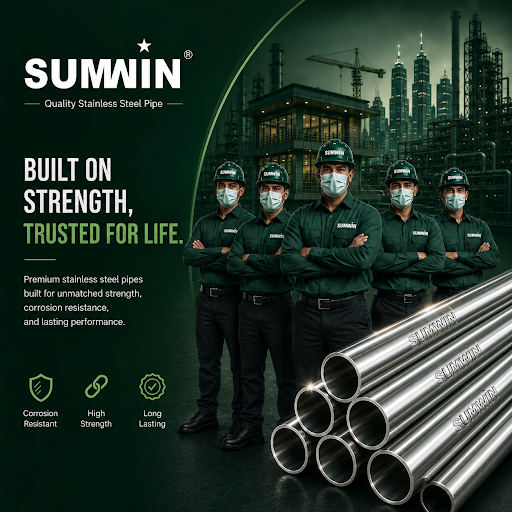
SUMWIN’s website features stainless steel pipe and tube products, including round, square and rectangular profiles. Buyers can review the relevant product pages and contact the team with a clear specification to discuss product suitability, sizes, finishes and availability. Confirm exact grade and product details directly before committing to a purchase.
To help the team respond efficiently, include the application, dimensions, wall thickness, grade, finish, required lengths, quantity and delivery destination. If the project is structural or pressure-related, identify the applicable design code and required documentation so suitability can be assessed properly.
Frequently Asked Questions
What is the best steel pipe?
The best option is the one that meets the application’s material, dimensional, performance, finish and compliance requirements.
Which stainless steel grade should I choose?
Grade selection depends on corrosion exposure, temperature, cleaning agents, fabrication and specification. Confirm with a qualified technical professional for demanding service.
Does thicker wall mean better quality?
No. Thickness must match the design and standard. A thicker product may weigh more but can still be unsuitable if grade, dimensions or intended service are wrong.
What details should a steel pipe quote include?
Material grade, shape, dimensions, wall thickness, length, finish, quantity, standard, tolerances, documents, packaging, price basis and delivery terms.
To discuss your requirements, explore the SUMWIN website and contact the team with your product specifications.
Company: SUMWIN Pakistan
Address: 22 KM, Sheikhupura Road, Lahore, Pakistan
Phone number: +92 311 4099103
Email address: info@sumwin.com.pk