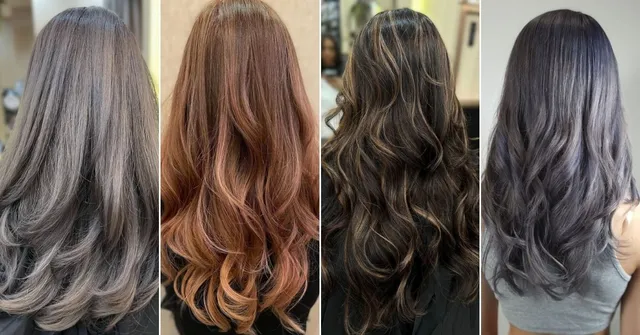

Natural-looking hair colour is not necessarily about leaving your hair untouched. In fact, some of the most effortless-looking results involve carefully planned colour placement, controlled lightening and professional toning. The goal is to create dimension that works with your natural base rather than producing a flat or overly obvious change. This is particularly useful in Singapore, where humidity, strong sunlight and frequent washing can affect both the appearance and longevity of coloured hair. Choosing the best hair colour salon singapore can therefore mean looking beyond a shade chart and considering the techniques, consultation process and aftercare provided.
A professional colourist can assess your natural hair colour, undertones, previous chemical treatments, texture and overall condition before recommending a suitable approach. Whether you want subtle highlights, a soft balayage, a brighter blonde or a richer brunette, the technique used can make a significant difference to how natural the finished result appears. With the right combination of colour placement and maintenance, you can achieve hair that looks polished without appearing excessively processed.
What Makes Hair Colour Look Natural?
A natural-looking colour usually has variation rather than one uniform shade from root to tip. Even naturally coloured hair contains different levels of lightness, warmth and depth, particularly around the face and ends.
Professional colourists can recreate this variation by controlling where lighter and darker tones are placed. Instead of colouring every strand equally, they may concentrate brightness around selected areas while retaining depth elsewhere.
A natural result often depends on:
- Gradual transitions: Avoiding harsh lines between the natural root and coloured lengths.
- Balanced dimension: Combining different tones instead of relying on one flat shade.
- Suitable undertones: Selecting warm, cool or neutral tones that complement the complexion.
- Controlled brightness: Lightening only where necessary to achieve the desired effect.
- Appropriate toning: Refining unwanted yellow, orange or overly warm tones after lightening.
This is why two people requesting the same hair colour can require completely different techniques.
Start With a Professional Colour Consultation
Before choosing a technique, consider what you actually want your hair to look like several weeks after the appointment, rather than focusing only on the immediate result.
A useful consultation should cover your previous colour history, current hair condition, natural base, lifestyle and maintenance preferences. Someone who washes their hair frequently or spends considerable time outdoors may need a different colour strategy from someone who can follow a more detailed maintenance routine.
It is also worth bringing reference photographs, but these should be treated as inspiration rather than an exact specification. Your natural hair may have a different underlying pigment or level of porosity, so the same shade may not be achievable in one session.
Choose Techniques That Create Soft Dimension
Different colouring techniques produce different levels of contrast and maintenance. Understanding the distinction can help you choose a result that feels natural rather than overly dramatic.
| Technique | Natural-Looking Effect | Suitable For |
| Balayage | Soft, hand-painted brightness | Sun-kissed dimension |
| AirTouch | Seamless, diffused transitions | Blended, low-contrast colour |
| Foilayage | Brighter blonde with a softer root | More noticeable lightening |
| Highlights | Defined strands of brightness | Classic dimension |
| Non-bleach colour | Richer tone and subtle change | Darker or less dramatic transformations |
| Gloss or toning | Refined tone and shine | Refreshing existing colour |
The best choice depends on your starting point and desired finish. A professional assessment can prevent you from choosing a technique simply because it looks attractive in a photograph.
Balayage for a Subtle, Sun-Kissed Effect
Balayage is often associated with natural-looking colour because the lightened sections can be painted strategically rather than creating an identical pattern throughout the hair.
The transition can be kept softer around the roots while more brightness is introduced through the mid-lengths and ends. This creates movement and dimension without making the colour look like a solid block.
Balayage can also be adjusted according to the client’s preference. A subtle caramel effect may work well for someone who wants a small change, while brighter blonde placement can create a more noticeable transformation.
The technique is particularly useful for people who want colour that grows out more softly than a traditional all-over application.
Why AirTouch Can Create an Especially Seamless Result
AirTouch uses controlled airflow to separate shorter and finer strands before colour is applied to selected sections. This helps create a softer and more blended result.
- Soft root transition: Helps reduce harsh lines between natural roots and lighter lengths.
- Natural dimension: Selected sections can create depth and brightness without making the hair look heavily striped.
- Blended finish: The gradual transition can make the colour appear more seamless as the hair grows.
- Suitable for blondes: It can be useful for creating refined blonde or lighter looks while maintaining some natural depth.
- Personalised placement: A colourist can adjust the placement according to hair density, texture and the desired level of brightness.
For anyone wanting a lighter colour without an obvious regrowth line, AirTouch can be discussed during a professional consultation.
Consider Foilayage for a Brighter Natural Blonde
Balayage is not the only option for creating blended blonde colour. Foilayage combines hand-painted placement with foils to achieve greater brightness while retaining a softer transition near the roots.
This can be useful for clients whose natural hair is darker but who want a significantly lighter appearance. The technique provides more controlled lightening while allowing the colourist to preserve dimension.
However, achieving a bright blonde from a darker base may involve substantial lightening. Hair condition should therefore be considered before deciding on the final shade.
Non-Bleach Colour Can Be a Better Option for Subtle Changes
Not every natural-looking transformation requires bleaching. If your aim is to enrich your existing shade, add warmth or create a deeper brunette appearance, non-bleach colour may provide a more suitable approach.
This can be particularly appealing for someone who wants a noticeable improvement in tone without making a dramatic change to the hair structure.
The important point is to match the technique with the desired result. If you want several levels of lightness, a non-bleach service may not achieve the same outcome as a controlled lightening process.
Protect Hair Health During Colouring
Natural-looking colour loses its appeal when the hair becomes excessively dry, brittle or frizzy. This is especially relevant in Singapore, where humidity can make porous hair appear rough and unruly.
Professional colouring should therefore consider the condition of the hair before and during the process. If the hair has already been weakened by bleaching, rebonding or repeated heat styling, strengthening or restorative care may need to form part of the colour plan.
Blonde & Pastel Hair Salon, for example, combines colour services with treatments such as K18 and other hair-care options, alongside scalp care and smoothing services. Its service approach places emphasis on assessing the client’s hair before recommending a suitable transformation rather than treating colour as a one-size-fits-all process.
Managing Natural-Looking Colour in Singapore’s Humidity
Even a carefully created colour can change in appearance if the hair is not maintained properly. Humidity can encourage frizz, while frequent washing may gradually reduce colour intensity.
To keep your colour looking polished:
- Wash only as often as your scalp requires.
- Use products designed for colour-treated hair.
- Avoid very hot water when washing.
- Apply heat protection before blow-drying or using heated tools.
- Use a nourishing treatment regularly if the lengths feel dry.
- Protect your hair from prolonged direct sunlight when possible.
- Return for toning or colour refreshes when the shade starts looking uneven.
If your hair is highly porous, it may also absorb and release moisture more readily, making the colour appear less consistent from day to day.
Natural Colour Does Not Mean Maintenance-Free
One common misconception is that natural-looking colour requires little maintenance. In reality, a seamless colour may require occasional toning, glossing or strategic touch-ups to keep the original balance intact.
The advantage is that the maintenance can often be less demanding than a solid, high-contrast colour. A soft root transition can allow natural growth to blend more easily, while carefully placed highlights may only need attention in selected areas.
Your maintenance schedule should therefore be decided alongside the colouring technique. If you prefer longer gaps between appointments, tell your colourist before the service begins.
Think About Colour Correction Before Adding More Colour
Previous colouring can significantly influence the result of a new appointment. Uneven bleaching, excessive warmth, banding or old artificial pigment may prevent a new colour from developing evenly.
In these situations, simply applying another colour over the existing one may not produce the natural finish you want. A professional may instead recommend colour correction, balancing or gradual adjustment.
This is particularly important when moving from heavily processed hair towards a softer, more natural appearance. The safest solution may involve several stages rather than trying to achieve everything in one appointment.
Choose a Colour That Works With Your Lifestyle
The most flattering colour is not necessarily the lightest, brightest or trendiest option. It should fit your everyday routine.
Consider how often you wash your hair, whether you exercise frequently, how much time you spend outdoors and how regularly you are prepared to visit a salon. Someone with a busy schedule may prefer blended balayage or AirTouch, while another person may enjoy maintaining a brighter blonde with regular toning.
Your natural hair texture also matters. Wavy or curly hair can display dimension differently from straight hair, while fine hair may benefit from carefully positioned colour that creates the appearance of greater depth.
Final Thoughts
Getting natural-looking hair colour is less about choosing a fashionable shade and more about selecting the right technique for your individual hair. Balayage, AirTouch, foilayage, highlights and non-bleach colour can all create beautiful results, but their suitability depends on your starting colour, hair condition, lifestyle and maintenance expectations. Professional consultation is especially valuable when your hair has previous chemical history or you are considering significant lightening.
For anyone exploring professional colour services in Singapore, a consultation-led approach can make the process more predictable and protect the quality of the hair along the way. Blonde & Pastel Hair Salon is one example of a salon offering specialised colour techniques alongside treatments designed to support hair condition. If you are considering a personalised colour transformation, you can explore blondeandpastelhairsalon.sg to learn more about the available services and approach.
Frequently Asked Questions
1. What hair colour looks the most natural?
Natural-looking colour usually includes different levels of depth and brightness rather than one solid shade. Balayage, AirTouch and carefully placed highlights can create softer dimension. The most suitable option depends on your natural base, undertone and hair condition.
2. Is balayage better than all-over hair colour for a natural look?
Balayage can create a softer, more dimensional appearance because colour is strategically placed through the hair. All-over colour can still look natural when the shade closely complements the natural base. A consultation can help determine which approach will give you the desired result.
3. Can I get natural-looking blonde hair without excessive damage?
It depends on your starting colour and the amount of lightening required. Darker hair may need controlled bleaching to reach a significantly lighter blonde, so hair condition should be assessed first. Bond-supporting and restorative treatments may also be recommended to help maintain strength during the process.
4. How can I stop my coloured hair from becoming frizzy in Singapore?
Use colour-safe and moisturising products, minimise excessive heat and apply heat protection whenever you style your hair. Regular conditioning can help keep porous lengths smoother. A professional smoothing or restorative treatment may also be considered if humidity-related frizz is persistent.
5. How often should natural-looking hair colour be refreshed?
The ideal timing depends on the technique, rate of hair growth and desired appearance. Blended techniques such as balayage or AirTouch can often allow more flexibility between major appointments, while brighter blondes may require more frequent toning or maintenance. Your colourist can recommend a schedule based on how quickly your particular shade changes.
Read More From Magazinepanda