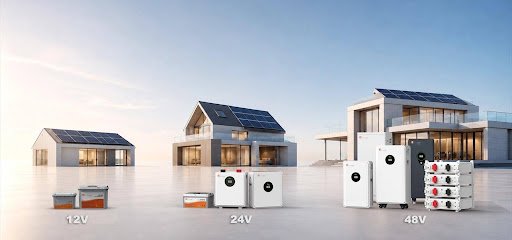

When the sun goes down, solar panels stop producing, and that is exactly when most households use the most electricity. A lithium battery solution is the missing piece in that picture: a set of batteries that stores extra solar power during the day and hands it back in the evening, at night, or during a power cut. It turns a solar system from something that only works while the sun shines into something you can rely on around the clock.
Felicity Solar sells its batteries in ranges such as the FLA, FLB, FLH and FLS series, alongside inverters and complete storage systems for homes and for larger commercial sites. The names matter less than the idea behind them. Whether the system is small or large, the battery does the same job: it holds energy until it is needed, and it releases it steadily and safely.
The basic parts, in plain English
A battery system has three main parts. The battery itself stores the energy in lithium cells, the same kind of chemistry used in phones and electric cars, scaled up for a house. The inverter changes the battery’s direct current into the alternating current your home appliances use. A control system watches the state of charge, decides when to store and when to release power, and protects the battery from being overcharged or drained too far.
Those parts work together quietly. During the day, when your panels produce more than the house uses, the extra power flows into the battery instead of going back to the grid. In the evening, the flow reverses, and the house draws from the battery first. If the grid fails, a well set-up system can keep the essential circuits running, which is why storage has become as important as the panels themselves.
Why lithium became the standard choice
Older solar systems often used lead-acid batteries, which were cheaper to buy but heavier, bulkier and shorter-lived. Lithium batteries store more energy in less space, they can be used more deeply without damage, and they last through many more charge cycles. That combination is why almost every new home storage system now uses lithium, and why manufacturers have built whole product families around it.
There are practical benefits too. A lithium battery solution charges and discharges efficiently, so less of your solar power is lost on the way in and out. It also needs little routine attention from the owner, with no water top-ups or equalisation charges of the kind lead-acid systems demanded. The higher purchase cost is usually weighed against years of extra service and far less day-to-day fuss.
How the size of a system is decided
Sizing starts with a simple question: how much electricity do you use after dark, and what do you want to keep running during an outage? A household that only wants lights, a fridge and phone charging needs far less storage than one that wants to run air conditioning through the night. An installer will look at past bills, the size of the solar array, and which appliances matter most before suggesting a battery size.
One useful feature of modern systems is that they can grow. Many lithium battery ranges are modular, which means extra battery units can be added later if the household’s needs change. That takes some pressure off the first decision, because the system does not have to be perfect on day one. It does mean, though, that the inverter and the wiring should be chosen with future additions in mind.
What to expect from daily use
Day to day, a battery system should be almost invisible. It charges while you are out, discharges while you cook dinner, and tops itself up again the next morning. Some systems come with an app that shows how much charge is left and how much power came from the sun, the battery and the grid. That view helps owners spot wasteful habits, such as running heavy appliances at times when the battery is already low.
There are limits worth knowing. A battery cannot make a small solar array produce more power, and on a run of cloudy days it will simply have less to store. A lithium battery solution works best as part of a balanced setup, with enough panels to fill it and an inverter that matches the load. Kept within those limits, it is the part of a solar system that most owners notice first, because it is the part that keeps the lights on after sunset.
A lithium battery is not magic, and it will not make a poor solar system good. But paired with the right panels and inverter, it turns sunshine into evening power, smooths out cloudy spells, and gives a home a measure of independence from the grid. That is the whole idea in one line: store the sun when you have it, use it when you do not.